Atrophic Scar Treatment

Atrophic Scar Treatment – Personalized Treatment Plans at CocoMed

Atrophic scars can make the skin’s surface uneven, affecting its texture and overall appearance. Depending on the shape, depth, and degree of fibrous tethering, each type of scar may require a different treatment approach.

At CocoMed Skin & Wellness Center, each patient’s skin condition is assessed to develop a personalized treatment plan that combines multiple treatment modalities to achieve optimal results.

Điều trị sẹo rỗ tại phòng khám CocoMed - Quận 2, TP. HCM

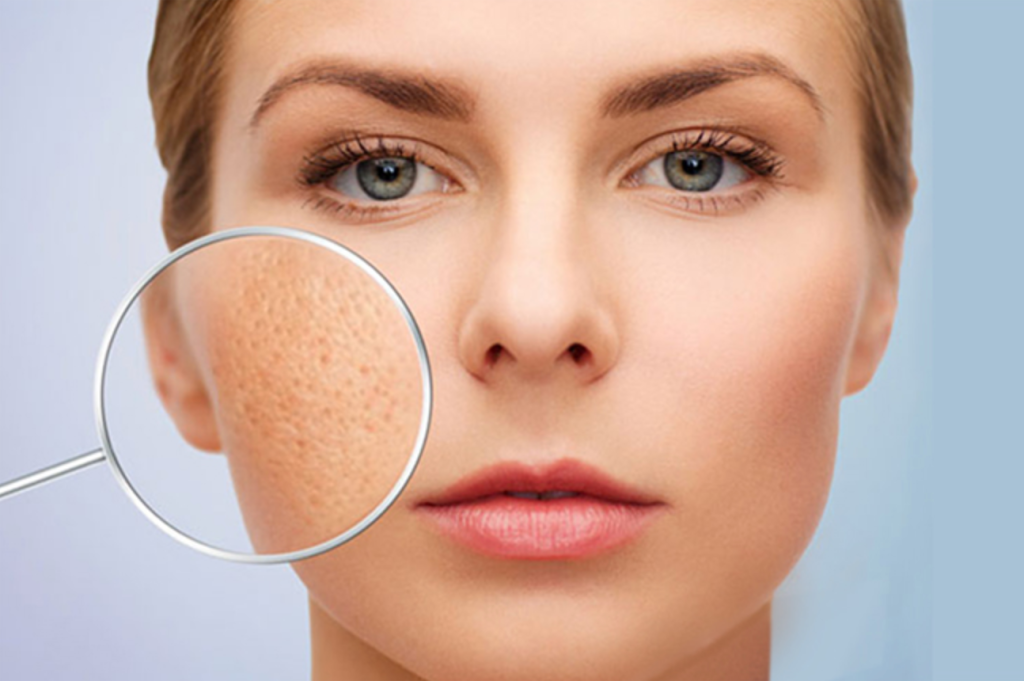
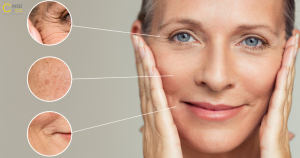
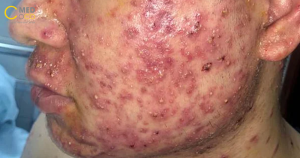
Atrophic acne scars can leave the skin looking rough and uneven. These depressed scars develop when the skin’s natural wound-healing process is disrupted, commonly following inflammatory acne. Changes in collagen structure and fibrous bands beneath the skin can cause depressions of varying shapes and depths.

Atrophic acne scars generally do not resolve on their own and may require appropriate treatment. Different scar types respond to different treatment approaches. Therefore, identifying the scar type and assessing the skin condition are essential steps before selecting a treatment method.

Common Types of Atrophic Acne Scars

Điều trị sẹo đáy nhọn

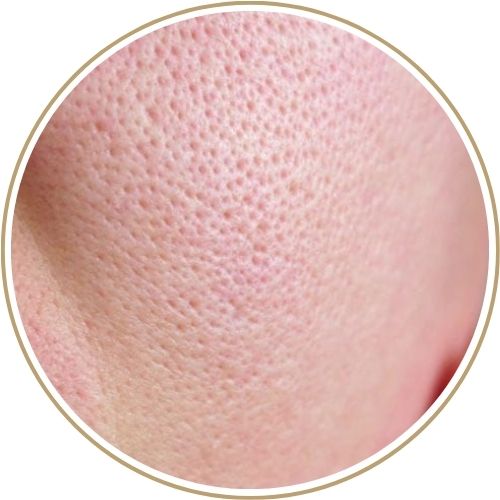
Ice Pick Scars

Ice pick scars have small, narrow openings that extend deep into the skin, often resembling tiny pits on the skin’s surface. These scars can be difficult to improve with surface-resurfacing treatments alone.

Điều trị sẹo đáy vuông

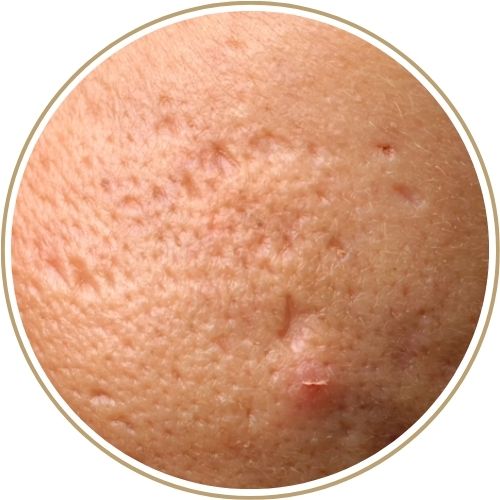
Boxcar Scars

Boxcar scars typically appear round or oval, with relatively well-defined edges and depressed centers. Their depth can vary across different areas of the skin.

Điều trị sẹo đáy tròn

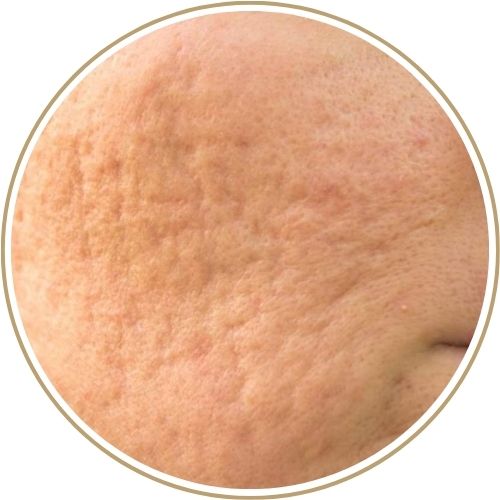
Rolling Scars

Rolling scars create shallow, sloping depressions that give the skin an uneven or wave-like appearance. In some cases, fibrous bands beneath the skin pull the surface downward.

Điều trị sẹo đáy vuông

Mixed Acne Scars

Mixed acne scars occur when multiple scar types coexist in the same area, such as a combination of ice pick, boxcar, and rolling scars.

Atrophic Scar Treatment Methods at CocoMed

Depending on the scar type, severity, and overall skin condition, different treatment methods may be considered individually or combined as part of a personalized treatment plan.

Bóc tách đáy sẹo trị sẹo rỗ

♦ Subcision

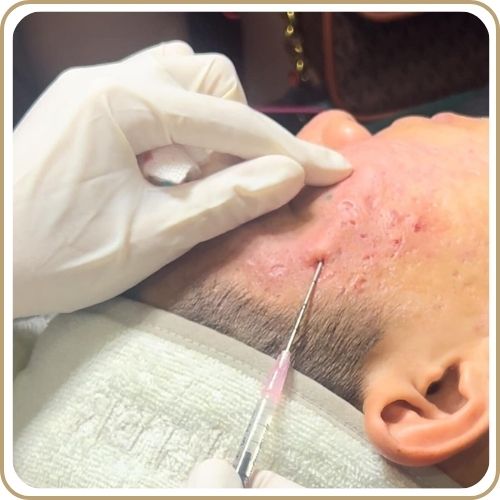
Subcision is a technique that uses specialized instruments to release fibrous bands beneath the skin that pull the scarred area downward.

This technique may be considered for scars associated with fibrous tethering, particularly certain types of rolling scars.

Suitable for all types of pitted scars, particularly rolling scars and shallow-to-moderate boxcar scars. Often combined with Fractional CO2 laser, RF, or mesotherapy to optimize results.

Điều trị sẹo bằng Laser Fractional Co2

♦ Fractional CO₂ Laser

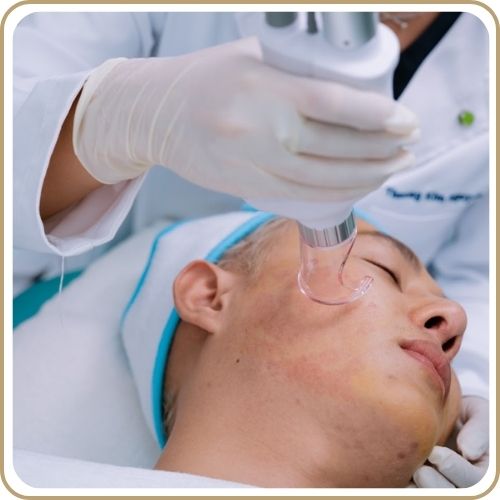
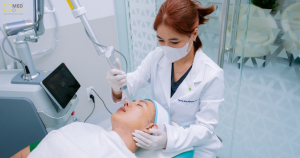
Fractional CO₂ Laser uses laser energy to create controlled microthermal treatment zones in the skin, supporting tissue remodeling and gradual improvement in skin texture.

This treatment may be considered for certain types of atrophic acne scars, depending on the characteristics of the scars, the skin condition, and the individual’s healing capacity.


Learn more about Fractional CO₂ Laser >

Điều trị sẹo rỗ bằng phương pháp RF Microneedling

♦ RF Microneedling

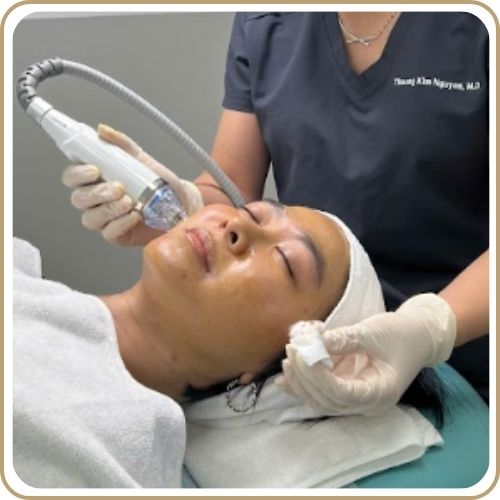
RF Microneedling combines microneedling with radiofrequency energy to target skin tissue, helping improve skin texture and the uneven appearance of scars in suitable cases.

Treatment settings and indications should be individualized according to the patient’s skin condition.


♦ TCA Peel / TCA CROSS

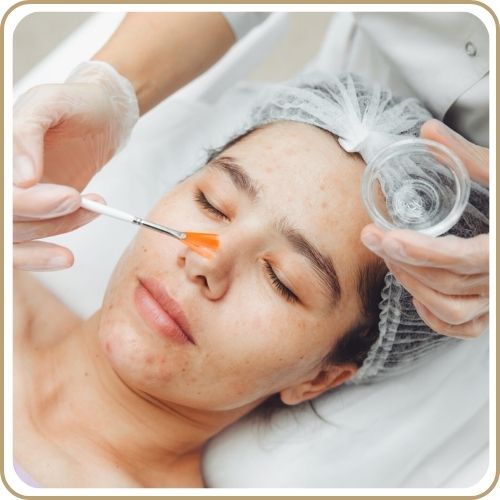
TCA treatment uses trichloroacetic acid at appropriate concentrations and with specific application techniques according to the treatment objective.

TCA CROSS is a focal application technique that may be considered for certain types of ice pick scars. It differs from a broader-area TCA chemical peel. The appropriate technique should therefore be determined as part of each patient’s treatment plan.

Điều trị sẹo bằng phương pháp Meso

♦ Mesotherapy

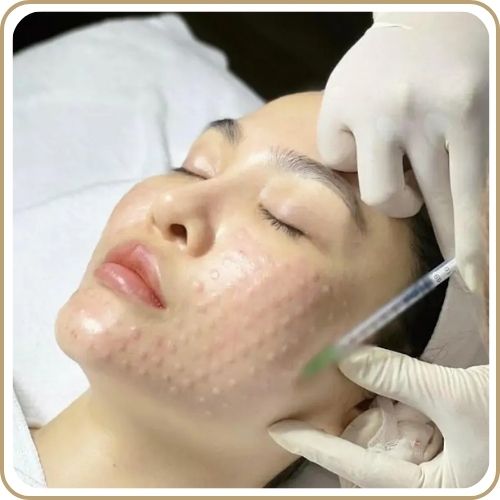
Mesotherapy for atrophic acne scars involves microinjections to deliver selected active ingredients into the dermis, with the aim of supporting skin regeneration, collagen production, and tissue repair. Depending on the substances used and the treatment protocol, the intended goals may include improving skin texture and supporting the skin’s natural renewal process.

Key Active Ingredients Used in Mesotherapy for Acne Scars

  • Exosomes: These extracellular vesicles carry biological signaling molecules, which may include proteins, RNA, and other cellular components. Their potential role in skin regeneration and collagen production remains an area of ongoing research.
  • Hyaluronic Acid (HA): Helps hydrate the skin and may provide temporary volume support, depending on the formulation and injection technique.
  • Platelet-Rich Plasma (PRP): Prepared from the patient’s own blood through centrifugation, PRP contains a concentrated amount of platelets and may support the wound-healing process and tissue repair.
  • Rejuran: Rejuran is a bioregenerative product containing 20 mg/mL of polynucleotides derived from salmon DNA. It stimulates tissue regeneration at the base of scars, restores the dermal foundation, and improves skin thickness and elasticity.

Personalized Atrophic Scar Treatment Plans

Every acne scar has distinct characteristics in terms of shape, depth, fibrous tethering, and healing potential. At CocoMed, treatment planning is guided by the individual’s actual skin condition rather than a one-size-fits-all approach.

The treatment selection process may take into account:

  • The type of scars and the degree of skin depression.
  • Whether active inflammatory acne is still present.
  • Skin pigmentation, the risk of post-inflammatory hyperpigmentation, and previous healing responses.
  • Suitable treatment methods and the potential to combine different techniques.
  • Expected downtime and the patient’s ability to follow post-procedure skincare instructions.

The goal is to develop an appropriate treatment plan, monitor progress, and make adjustments when necessary. The degree of improvement varies from person to person, and identical results cannot be guaranteed for every patient.

Atrophic Scar Treatment Journey at CocoMed

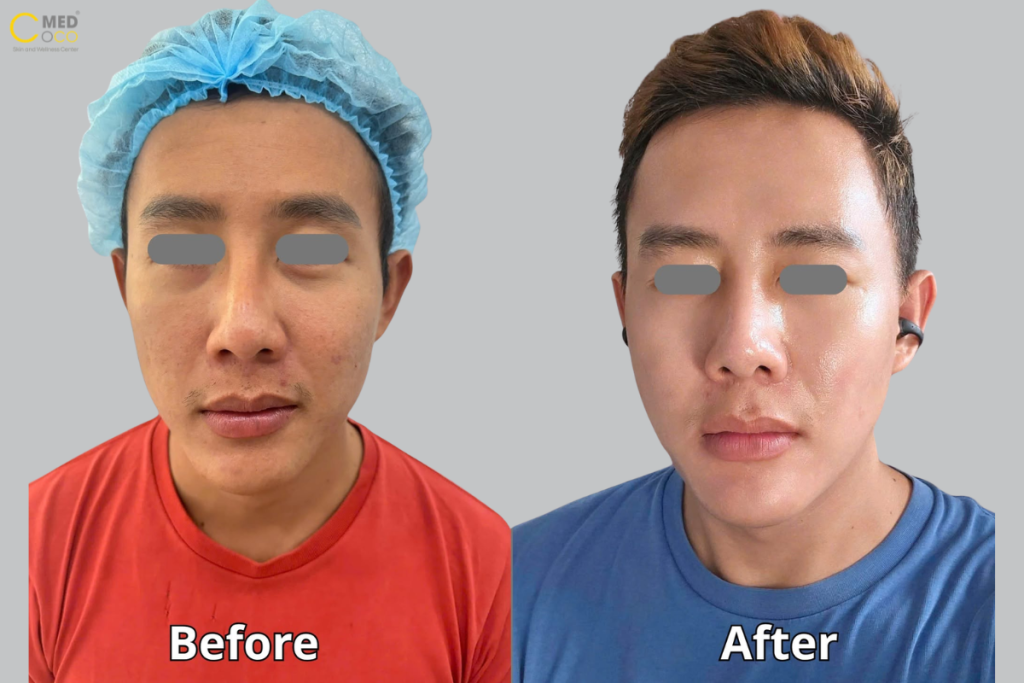
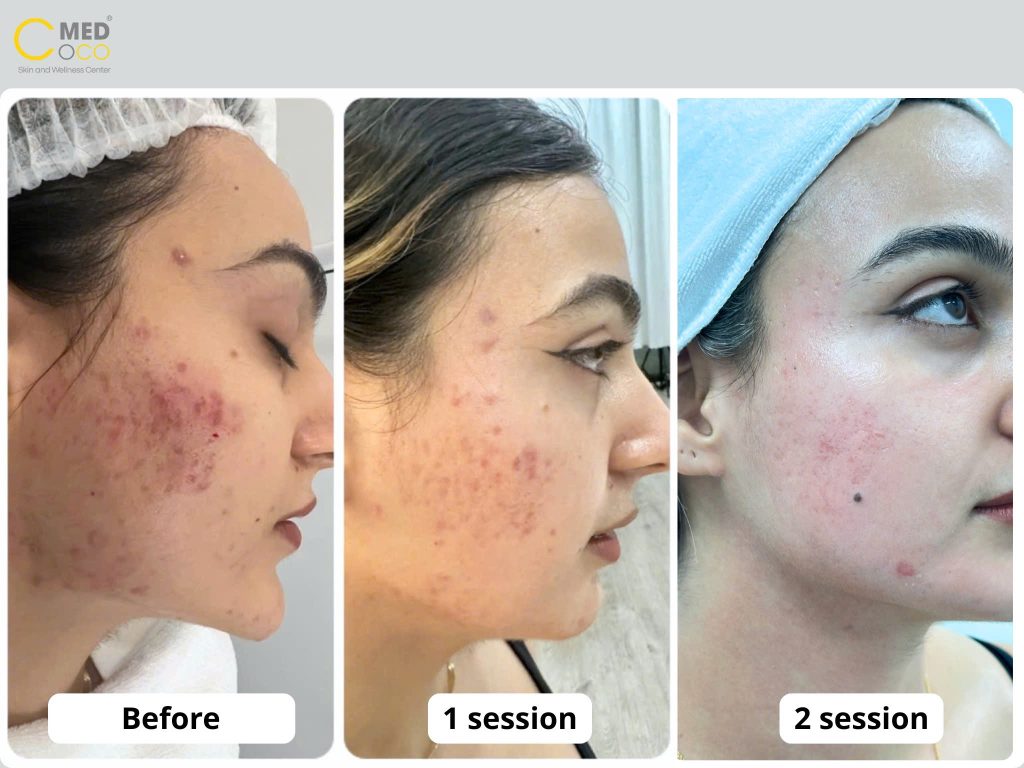
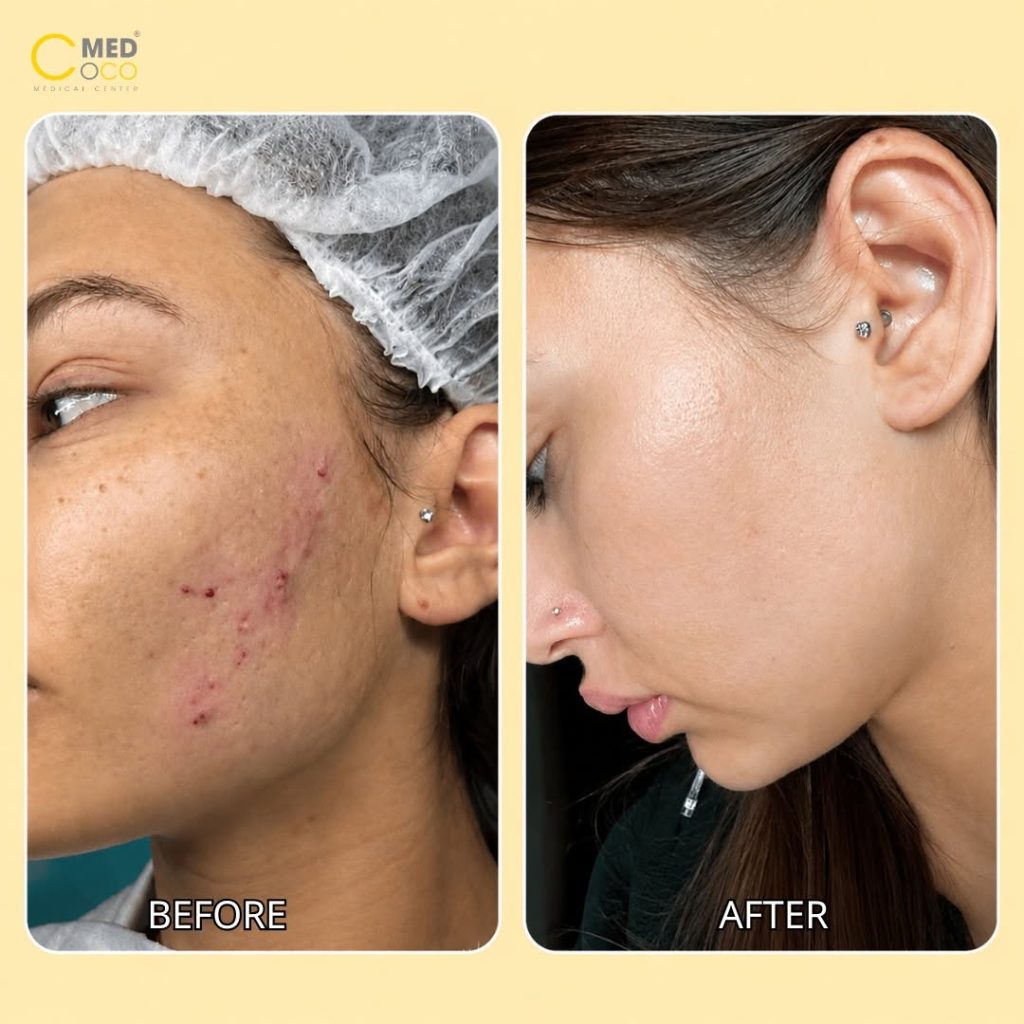
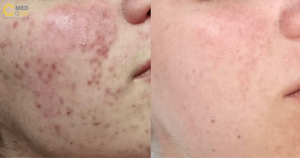
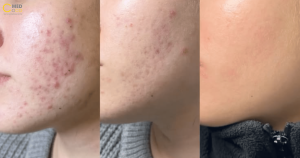
Please note: Treatment results may vary depending on scar type, skin condition, the methods used, and post-treatment skincare.
fractional-co2
kết quả thực tế sau khi điều trị tại CocoMed
Điều trị sẹo

Skin Health Insights